How Does Concrete Lifting Work? Foam vs. Mudjacking, Explained
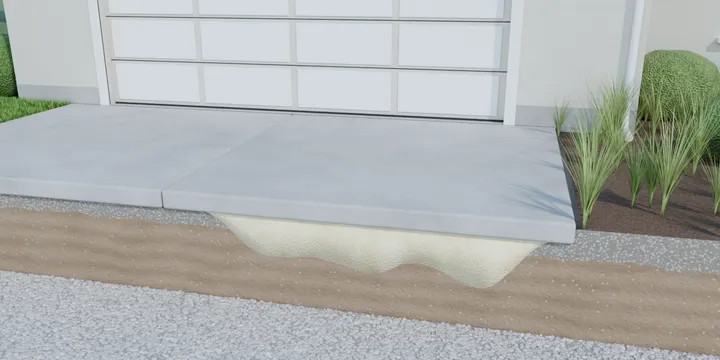
How concrete lifting works, why slabs sink around Green Bay, foam vs. mudjacking vs. stone slurry vs. replacement, and what lifting can't fix.
- Foam lifting
- Mudjacking
- Sinking & voids
Why concrete sinks and cracks, how it's fixed, what it costs, and how to keep it clean, sealed and level. Written by the people who do the work. Updated .
How concrete lifting works, why slabs sink around Green Bay, foam vs. mudjacking vs. stone slurry vs. replacement, and what lifting can't fix.

Why concrete lifts go wrong (over-lifting, cracked slabs, hidden voids) and the questions to ask any contractor to find out how careful they'll be.

Foam concrete lifting in Green Bay is fast and costs far less than replacement, but it has real limits. Honest pros, cons, and a lift-or-replace table.

Lifting, self-leveler, grinding, resurfacing, and replacement all get called concrete leveling. What each does, what it can't, and how to read your quote.
Showing 12 of 85

Searching for driveway sealing in Green Bay? Concrete and asphalt need different products. How to tell which driveway you have and which sealer it needs.

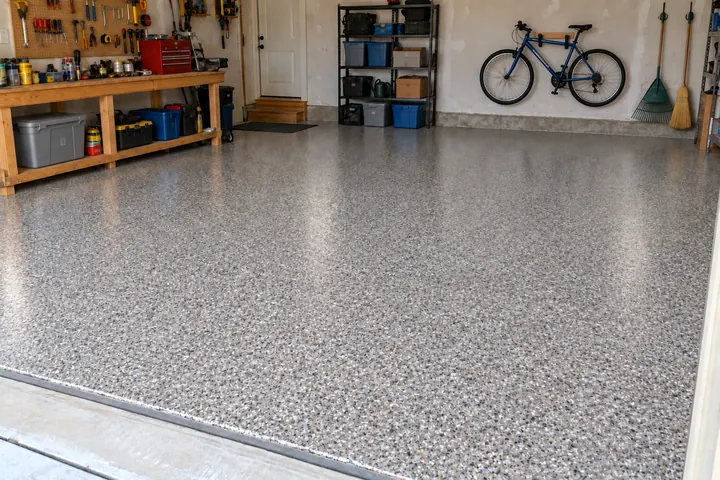
What a flake garage floor is, full vs. partial broadcast, chip size and color, how it handles Wisconsin salt and slush, and what a flake floor costs.

Front steps sinking or pulling away from the house in Green Bay? Why stoops settle, a two-minute check, and when concrete step repair means a lift.

What really happens when driveway and walk joints stay open through a Wisconsin year, what skipping caulk can cost, and when caulking isn't worth it.

ADA sidewalk rules in plain English: 1/4-inch lips, 1:48 cross slope, 36-inch width, 1/2-inch gaps, and the sunken-panel problems Green Bay properties can fix.

Flat vs. level, finding high and low spots, moisture tests, old adhesive and asbestos, and coating prep: get a concrete floor ready for flooring or a coating.

When is foam the right way to lift concrete? Nine situations around Green Bay homes, why foam fits each one, what to watch for, and where it doesn't fit.

A 1–5 damage scale for sunken concrete: what can be lifted, what can't, borderline cases, mixed fixes, and how to photograph damage for an honest answer.

Resurfacers, self-leveling underlayment, and new slabs poured on top: when new-over-old concrete works, when it fails, and what to fix before you pour.

Which slabs are good clean-and-seal candidates, which need lifting or caulking first, what to expect after, DIY vs. pro, and the best months in Green Bay.

Sunken storefront walk, dock apron, or shop floor in Green Bay? How foam lifting fixes it with little downtime, when it won't, and what to send for a quote.

Grinding shaves down a lip; lifting raises a slab that sank. When each is the right fix, when you need both or neither, and the tradeoffs nobody quotes.

Can you caulk over old caulk? Will it stop sinking? Why did it fail after one winter? Straight answers on joint caulking and concrete crack repair in Wisconsin.

Lifting, self-leveler, grinding, resurfacing, and replacement all get called concrete leveling. What each does, what it can't, and how to read your quote.

Can concrete be lifted in cold weather? Why frozen ground rules out outdoor lifting in Green Bay, when the season runs, and what you can still do in winter.

A Green Bay concrete care calendar: what to do each month, what new and aging slabs need, when to reseal and re-caulk, plus a checklist and log template.

Sunken lot panels, dock aprons, and catch basins: why parking lot concrete settles in Green Bay, when lifting beats replacement, and when to call a big firm.

For builders and GCs around Green Bay: why new-home flatwork settles, a callback triage table, and how to fix it without tearing out new concrete.

Sunken driveway, tipping stoop, stained garage floor? A Green Bay homeowner's map of common concrete problems, the right fix, and who should do it.

Silane, siloxane, densifiers, acrylic, epoxy, and polyurethane compared: how each works, look, grip, winter durability, reapply interval, and application.

How high soil should sit at slab edges and siding, how to slope it away from the house, what fill to use, and how to check grade with a string and level.

What DOT and federal testing shows about penetrating sealers, salt, and freeze-thaw, why results vary, and how to tell if your sealer is still working.

A Green Bay driveway decision guide: five questions, a slab-by-slab scoring sheet, and when to repair, resurface, replace, or combine all three.

Does lifting foam break down, shrink, or get into pipes? Which foam concrete lifting problems are real, which are myths, and how each one is prevented.

Foam vs. mudjacking compared: hole size, weight on soft soil, washout, cure time, upfront cost, and which method fits your slab in the Green Bay area.

Why concrete scales, pops, and crumbles after winter: pore saturation, air entrainment, and salt explained plainly, plus prevention ranked by impact.

Concrete rising in winter or sinking for good? How frost heave and settling differ, a simple Feb-to-May measuring log, and what to do about each.

A printable spec sheet for new concrete in NE Wisconsin: thickness, base, mix, joints, curing, cold-weather rules, permits, and the first 28 days.

Clogged gutters overflow right above your stoop and walks. When to clean in Wisconsin, how to do it safely, gutter guards compared, and signs of damage.

For HOA boards and property managers in Green Bay and northeast Wisconsin: survey trip hazards, rank repairs, phase work by season, and stretch your reserve.

Which concrete sealer for your driveway, stamped patio, or garage? A decision guide by surface, what to check on the label, common mistakes, and DIY vs. pro.

Salt crust, oil drips, tire marks, fertilizer rust: how to clean a Wisconsin concrete driveway without striping it, when to seal, and what to check after.

Grill grease, planter rings, leaf stains, green shady corners: how to clean a concrete patio by finish type, protect plants and siding, and seal it after.

How to clean garage and basement concrete floors by type: bare, sealed, painted, or coated. Salt brine, oil, efflorescence, mildew, and what not to use.

No pressure washer, or concrete too old or decorative for one? Brushes, oxygen bleach, poultices, and hose tricks that work, plus the myths that don't.

Green walk or fuzzy basement floor? Tell mold, algae, and moss apart, remove each safely, keep it from coming back, and know when it's a moisture problem.

Name the stain, pick the right method, skip the pressure washer mistakes that etch concrete, and time your cleaning around a Wisconsin winter.

How far to extend downspouts, which extensions survive a Wisconsin winter, where sump water can go, and how to tell if water is already under your slabs.

Expansion joint or control joint? How to tell them apart, what to do with rotted wood strips, and why mortar is the wrong fill. A Wisconsin homeowner's guide.

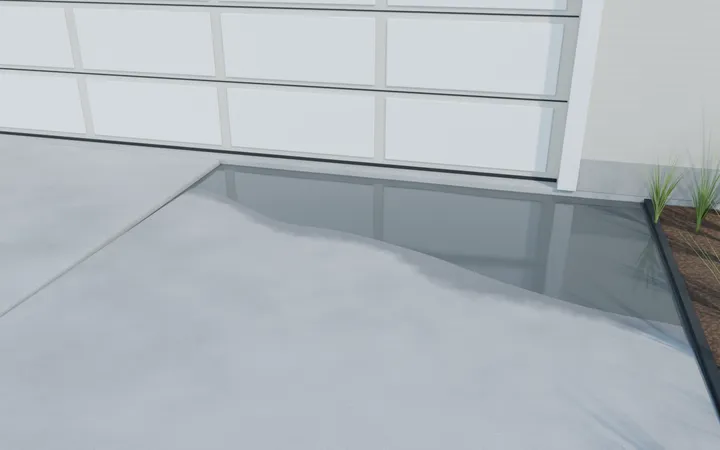
Uneven driveway, patio, or garage floor in Green Bay? Find out if it sank, heaved, tipped, broke, or just has a rough surface, then match the fix.

You can't change Wisconsin clay, but you can control water. Settling prevention ranked by impact and effort, a yearly 10-minute check, and a 1/4-inch plan.

Oil on your driveway or garage floor? What works on fresh spills vs. old stains, what makes them worse, and how to toss oily cat litter in Wisconsin.

Orange spots on your driveway or walk? Find the rust source, pick the right remover, skip the acid that etches, and stop stains from coming back.

Leaf prints, tire marks, paint, white chalky haze, salt, grill grease: how to identify each concrete stain, test it, treat it, and tell a stain from damage.

Some cracking is normal. Here's what to require from your installer on a new slab, and the habits that keep older concrete from cracking more.

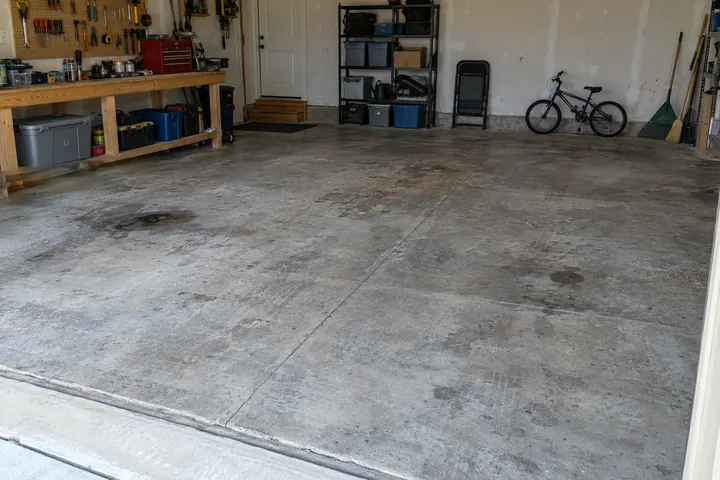
How to level a garage or basement floor: measure first, find the cause, then lift, grind, patch, or overlay. Plus why a garage floor shouldn't be level.

PSI vs. GPM, gas vs. electric, nozzle tips, surface cleaners, detergent, safety, and runoff, plus a fix-it table for stripes, etching, and white haze.

Make tired Green Bay concrete work like new and look far better: the right order of steps, honest before/after expectations, and when to replace instead.

One Green Bay downspout can drop 10,000+ gallons a year beside your foundation. The math, what it does to concrete, and a 15-minute audit of your own.

What sealing does and doesn't do for Wisconsin concrete, which surfaces benefit most, when it's a waste of money, and the best time to seal before salt season.

Who fixes the sidewalk out front, what Green Bay flags (like cracks 1/2 inch or wider), how to handle a repair notice, and which fix fits each crack.

A 20-minute walk-around for Green Bay homes: what to check at the stoop, walk, foundation, AC pad, patio, garage, and driveway, and when it's worth fixing.

After the snow melts: when to rinse salt, judge sinking, caulk joints, fix downspouts, clean, and seal concrete in Green Bay, March through June.

Sunken concrete in Green Bay rarely holds still. What waiting costs in void size, trip risk, basement water, ice, cracking, and resale, and when to wait.

Cement, stone, sand, water, and air: what concrete is made of, why extra water and missing air ruin Wisconsin slabs, and what to ask for on a new pour.

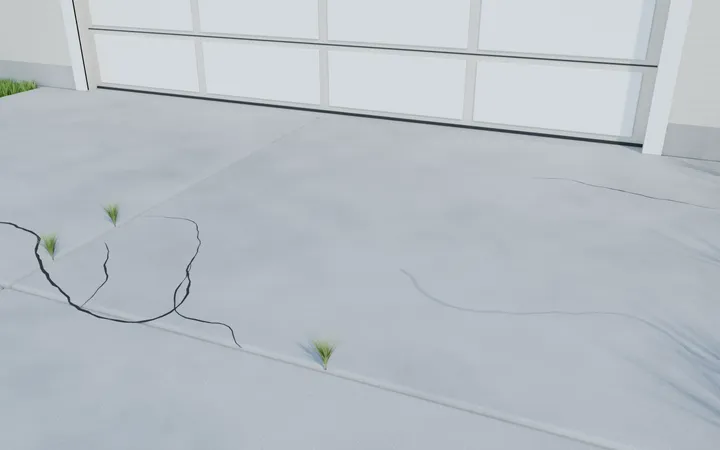
Concrete is strong when squeezed and weak when pulled. How shrinkage, temperature, settling, heavy loads, frost, and rust crack Wisconsin slabs.

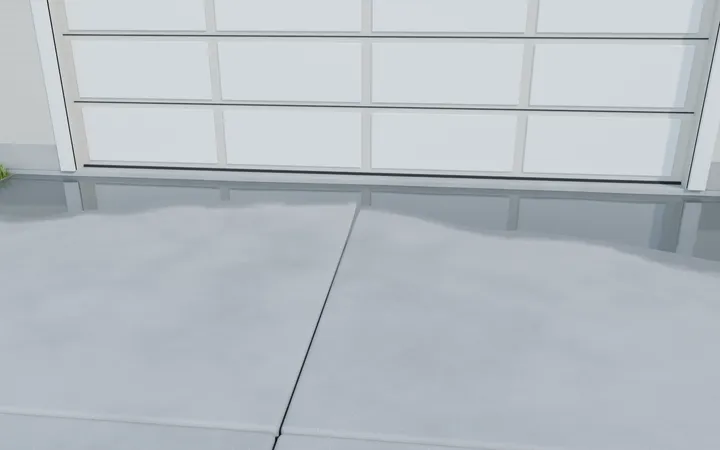
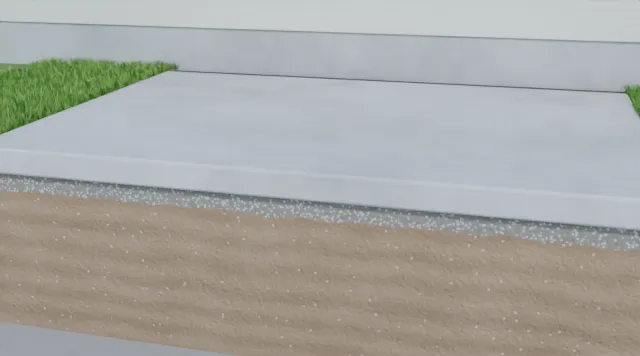
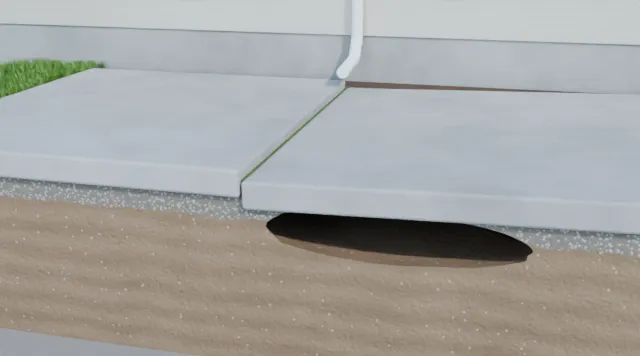
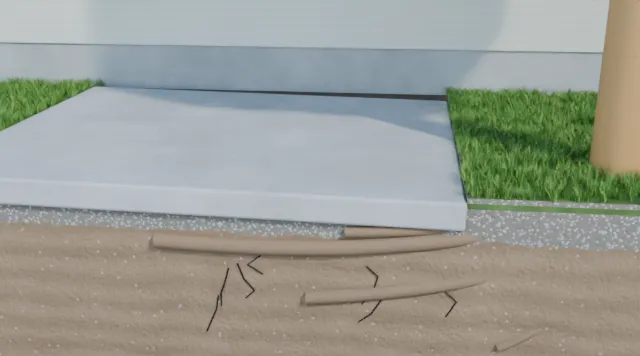
Why concrete sinks in NE Wisconsin: red clay, loose foundation backfill, utility trenches, washout, rot, and frost, plus how to read where a slab sank.

How long concrete lifting lasts depends on water, soil, void size, traffic, and roots. Foam vs. mudjacking, what a re-lift involves, and a yearly check.

Which ice melt works at what temperature, how much to use, shovels, plow stakes, snow piles, garage brine, and pre-winter and thaw checklists for Wisconsin.

Polyurethane, silicone, hybrid, or latex? How concrete crack and joint sealants compare, what to check on the label for freeze-thaw, and DIY mistakes to skip.

That gap between your slab and foundation sends water down the wall. How to tell if yours needs sealing, when to lift the slab first, and how it's done right.

Which concrete leveling jobs you can do yourself, which ones go wrong, and how DIY foam kits, jack-and-pack, and self-leveler actually compare.

Hairline, open, sunken, or crumbling? Concrete crack repair for each kind of driveway crack, which ones you can DIY, and why a sunken slab gets lifted first.

Hairline, joint, settling, or apron crack? How to read the cracks in your garage floor, which ones matter, and what actually fixes each one.

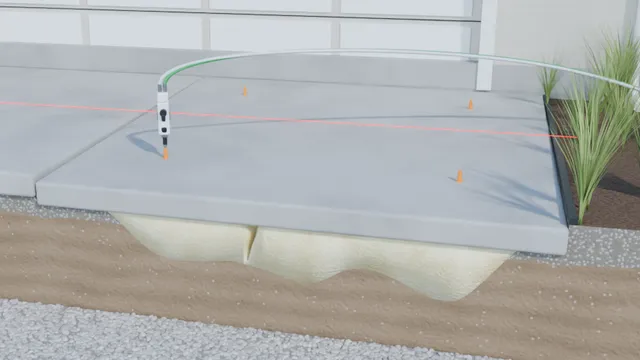
How concrete lifting works, why slabs sink around Green Bay, foam vs. mudjacking vs. stone slurry vs. replacement, and what lifting can't fix.

Hiring for concrete lifting, coatings, or replacement in Green Bay? Questions to ask, red flags to avoid, and what state rules say your contract must include.

Fix concrete cracks in the right order: identify the type, stop the cause, then seal, lift, patch, or leave it. A decision guide for Wisconsin homeowners.

Foam concrete lifting in Green Bay is fast and costs far less than replacement, but it has real limits. Honest pros, cons, and a lift-or-replace table.

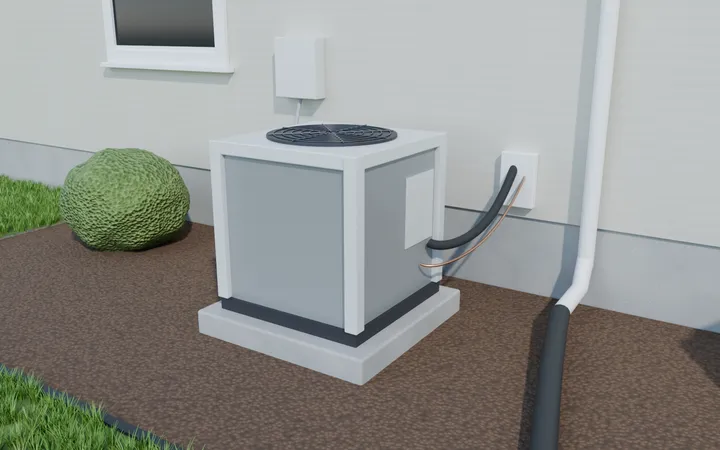
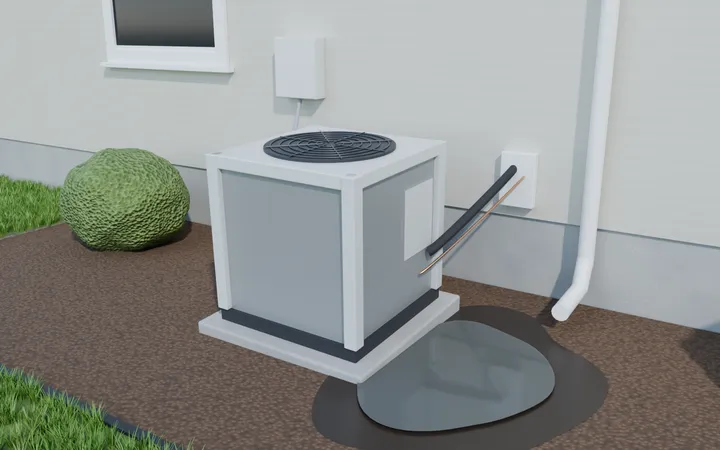
AC or heat pump tilting toward the house? Why Green Bay AC pads sink, why it matters for your system, and how foam levels the pad without moving the unit.

Cracks in your new driveway or patio? Here's which cracks are normal, which ones point to a real problem, and what to ask your installer.

Why concrete lifts go wrong (over-lifting, cracked slabs, hidden voids) and the questions to ask any contractor to find out how careful they'll be.

Before you replace a sidewalk, driveway, or patio: why it sank, whether new concrete will too, what to ask the contractor, and first-winter care in Wisconsin.

Self-leveling concrete is a pourable overlay, not a slab fix. Why it cracks and peels, why it fails outdoors in Wisconsin, and when it's the right product.

Tree roots pushing up your sidewalk or driveway? Here's when foam concrete lifting fixes the trip hazard, when it won't, and what to do about the roots.

Match the crack in your driveway, walk, or garage floor to its type, cause, and right concrete crack repair, from harmless hairlines to cracks that need a pro.

Broom, stamped, exposed aggregate, polished, epoxy, flake: how each concrete finish handles traction, freeze-thaw, road salt, and upkeep in NE Wisconsin.

Uneven sidewalk panel in Green Bay? Compare sidewalk leveling, grinding, patching, and replacing by relative cost, how long each lasts, and when each fits.

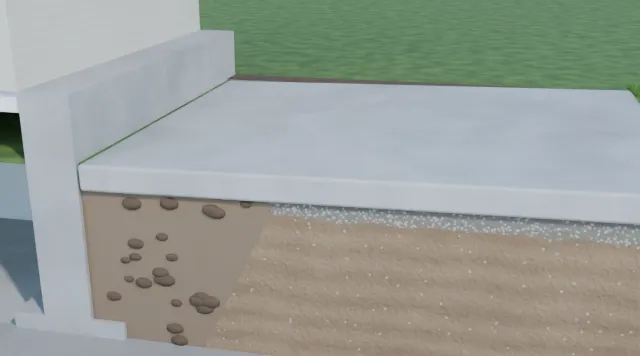
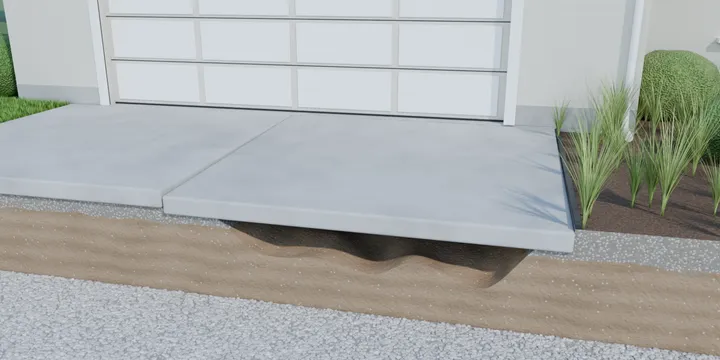
Hollow-sounding slab or a gap at the edge? Here's what washes soil out from under concrete in NE Wisconsin, how to check for voids, and how foam fills them.

Concrete flaking or pitting after winter? Here's what causes spalling in NE Wisconsin, how to judge how bad yours is, and how to stop it from spreading.

An honest look at when to lift sunken concrete and when to replace it: condition, cost, time, looks and how long each lasts.

The difference between a garage coating that lasts and one that peels comes down to prep, thickness and the right topcoat. What to ask before you hire.

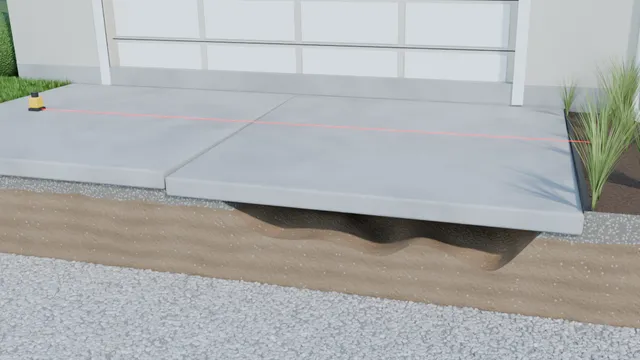
Three photos and one measurement are all it takes to price most concrete lifting jobs. Here's exactly what to shoot and how to measure the drop.

Uneven sidewalks and entries are a common source of trip-and-fall claims. What the ADA says about changes in level and how to fix them fast.

What to check on your driveway, walks, patio and garage floor after a Wisconsin winter, and which problems get worse if you wait.

Clay soil, freeze-thaw, washed-out joints and new-build backfill: why driveways, walks and patios sink around Green Bay, and what stops it.
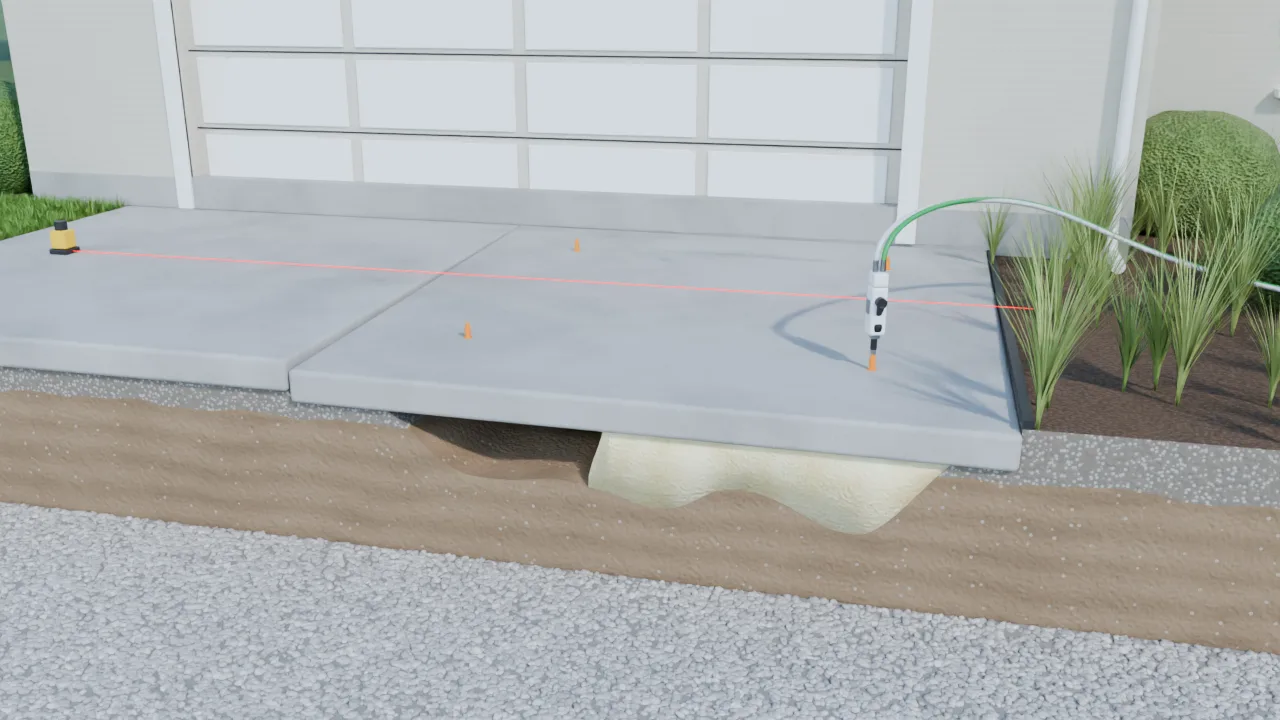
How foam concrete lifting works, with the numbers: 5/8-inch holes 3–4 ft apart, foam at 90% strength in 15 minutes, 1–4 hours on site, same-day use.
Foam vs. mudjacking by the numbers: hole size (5/8 vs 1½–2 in), weight (2–5 vs 100–150 lb/ft³), cure time and national cost per square foot.
Lift or replace sunken concrete? When each makes sense, with national costs ($5–25/sq ft to lift vs. about $13–26 to replace) and a quick checker.
Epoxy, polyurea and polyaspartic garage floor coatings compared: bond, UV resistance, cure time, cold-weather install and cost, in plain language.
Peeling garage floor coatings come down to prep, moisture, hot tires and contamination. What goes wrong and what a lasting install does differently.
Send three phone photos and a quick measurement. You'll get a firm price by text within 24 hours, no site visit needed for most jobs.